
An Egypt itinerary works best when it gives each historical setting enough attention. Cairo and Giza, Luxor and Aswan are not interchangeable stops on one long sightseeing checklist. Start with the period, monuments and style of travel that interest you, then decide how much of the journey to spend on the river. This guide helps turn a long attraction list into a clear cultural route.
Use three bases to organize the story
A useful first-trip framework is Cairo and Giza for the capital region, Luxor for an extended concentration of ancient sites, and Aswan for a different Nile setting. Begin with at least a few nights in Cairo so arrival fatigue does not consume your only museum or pyramid day. Ask the guide to connect the sites historically rather than treating each visit as a separate lecture.
For roughly ten to twelve nights, consider three in the Cairo area, three around Luxor, and a river or Aswan segment, with transfer time accounted for separately. This is an outline to discuss, not a departure schedule. If you have only a week, prioritizing Cairo and Luxor may be more satisfying than changing hotels every day to include the whole valley.
Choose a cruise for the right reasons
Egypt’s official tourism site describes both conventional Nile cruising and smaller dahabeya journeys between Luxor and Aswan. The important decision is not simply boat versus hotel: it is how much flexibility you want at archaeological sites, how many people join excursions, and how the sailing programme uses the daylight.
A cruise can simplify luggage handling and connect several stops. Land-based stays give more control over start times and repeat visits. A smaller boat may offer a quieter atmosphere, but ask for its actual itinerary, cabin layout and operating arrangements rather than relying on the label alone. A felucca excursion is another experience and should not be assumed to provide cruise-ship accommodation.
Check the number of nights against actual sailing time. Ask which sites are included, whether excursions are shared, the guiding language and what happens if the operating schedule changes. Know where you embark and disembark before buying separate flights or adding a hotel night.
Plan for heat and concentration
The official tourism information identifies the hottest part of the year with the northern summer and describes milder winter conditions in the Nile destinations. Whatever the month, an itinerary with long outdoor visits needs realistic breaks. Request early starts where suitable, indoor time during hotter hours and a schedule that does not stack every major monument into one exhausting day.
Tell the operator about walking tolerance and comfort with steps, uneven ground and confined spaces before selecting the visits. Ask exactly what the standard entrance covers; access to a particular chamber, tomb or special exhibition may be a separate decision. Photographers should also verify the rules at each site rather than assume that one ticket permits every type of equipment.
Keep extensions separate from the core trip
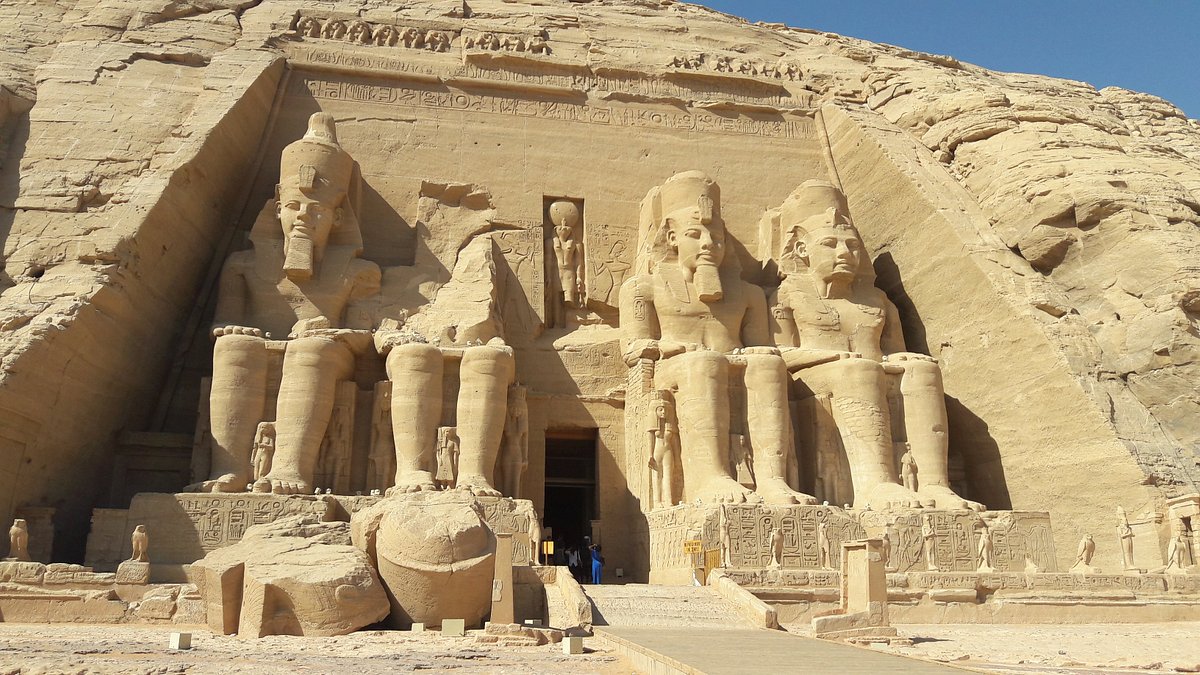
Abu Simbel, a Red Sea stay or an additional desert region can change the shape of the holiday. Select the extension because you want to spend time there, not because it appears close on a brochure map. Ask for door-to-door transfer plans and a fallback if a transport connection changes.
A beach finish should include genuinely free days. Arriving late, sleeping once and leaving early adds transfers without much recovery. Equally, a traveller whose priority is archaeology may get more value from another full day around Luxor than from a distant hotel added solely to lengthen the itinerary.
Ask for a quotation you can check
Have the operator name the accommodation and boat, list the sites included each day and identify the guide arrangements. Separate domestic transport, airport transfers, entrances, meals, drinks and optional activities. Clarify whether you travel privately during land excursions even if the boat is shared. A written day plan makes meaningful comparison possible without inventing a universal Egypt tour price.
Questions to help you plan
Is a Nile cruise essential for an Egypt tour?
No. A cruise is one way to connect Nile sites, while land stays can suit travellers who want more control over their daily programme. Choose the format that supports your interests and pace.
Can I add a safari to an Egypt cultural trip?
Desert excursions are possible, but they are different from East or Southern African wildlife safaris. Specify whether you mean a landscape drive, an overnight camp, walking or another activity so the operator quotes the experience you intend.
Official sources and further reading
Destination references checked on 12 November 2026. Route pacing and comparisons are our planning suggestions; confirm current access, opening arrangements and services before booking.