
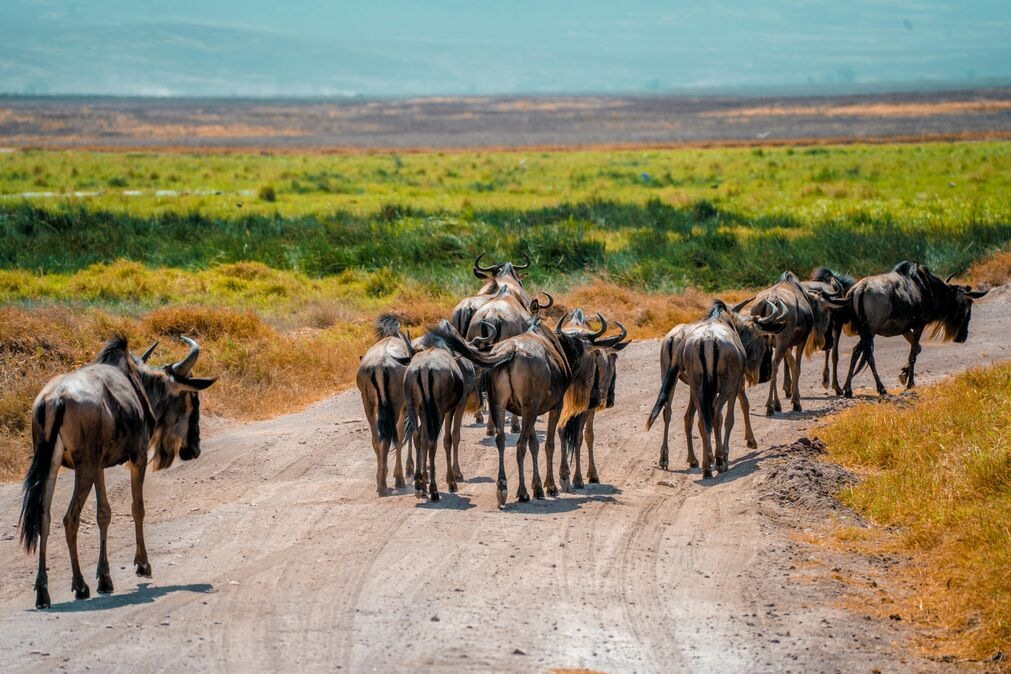
A Tanzania safari starts with a geographical choice. The northern circuit links parks around Arusha with the Serengeti and Ngorongoro, while southern routes focus on a different group of landscapes and travel connections. Trying to collect every famous name in one short itinerary usually means sacrificing time outside the vehicle. Choose the wildlife experience you want, then decide how much moving between places you are prepared to do.
Start with the northern or southern circuit
For a first northern safari, think of Arusha as a planning base rather than a wildlife destination you must rush through. Tarangire, Lake Manyara and Ngorongoro can form a shorter circuit. Tarangire brings baobab landscapes and elephant habitat; Manyara adds forest and lakeshore environments. Ngorongoro is a conservation area with a distinct crater visit, so its access arrangements and charges need to be clear in the quote.
Adding the Serengeti changes the scale of the trip. Ask which part of the park your accommodation serves and how the transfer fits around actual game-viewing time. For a southern journey, discuss Nyerere or Ruaha as the main focus. These are separate planning choices, not convenient extra stops on a hurried Arusha loop.
Count nights in wildlife areas, not just safari days
Our planning starting point for a compact northern trip is three or four days without forcing a Serengeti visit into it. With six to eight days, a more substantial Serengeti stay becomes easier to combine with one or two other areas. These are route suggestions, not fixed packages: arrival times, accommodation position and transport method can change what is sensible.
Read the itinerary day by day. A day described as “Arusha to Serengeti” may contain several hours of travel before wildlife viewing begins. Two nights in the same area create a full day without packing and changing camp. If photography or patient observation matters, a longer stay in fewer places can be more useful than another park name on the booking confirmation.
Match the season to the exact experience
The Serengeti migration is a moving wildlife phenomenon, not a performance at one permanent viewpoint. Rainfall and grazing influence where herds travel, and a river crossing cannot be promised for a particular afternoon. Ask the operator why the proposed camp location suits your month and what you will do if the herds are elsewhere.
Drier conditions and greener periods offer different landscapes and driving conditions. Rather than treating a national “best month” label as a guarantee, compare recent local conditions, road access, camp opening dates and your interests. Birdwatching, scenery, resident wildlife and the migration may point toward different choices. A useful quotation explains the seasonal logic behind the route.
Decide whether a beach extension helps the trip
A coast or island stay can give a safari a gentler ending, but include its travel day in your calendar. A flight connection, airport transfer and hotel check-in do not count as a full beach day. If you have only a week in total, choose between a concentrated safari and a shorter safari followed by a few genuinely usable nights by the water.
Ask for the complete route from international arrival to departure. If you are joining separate safari and beach bookings, establish who assists when a connection changes. Luggage allowances on light aircraft may differ from your international allowance, so have the operator confirm the limits for the actual booked services.
Make quotations easy to compare
Compare the same number of travelers, room arrangement, travel dates and accommodation standard. A lower starting price may reflect a shared departure, fewer park nights or a different camp location. Ask what is fixed and what is still a proposed substitute.
- Name each overnight property and the wildlife area it serves.
- Separate park access, crater visits, vehicle, guide, meals and optional activities.
- Confirm whether game drives are private or shared and how many usable seats are provided.
- Request written change and cancellation conditions before paying.
Questions to help you plan
Is three days enough for a Tanzania safari?
It can suit a focused short northern circuit. It is a poor reason to promise every major park. Compare the travel time with the actual time available for game viewing.
Can I choose a safari only around the migration?
You can make it the priority, but keep wider wildlife interests and flexible expectations. Ask for a camp-location explanation for your dates rather than a guaranteed crossing.
Official sources and further reading
Destination references checked on 12 November 2026. Route pacing and comparisons are our planning suggestions; confirm current access, opening arrangements and services before booking.