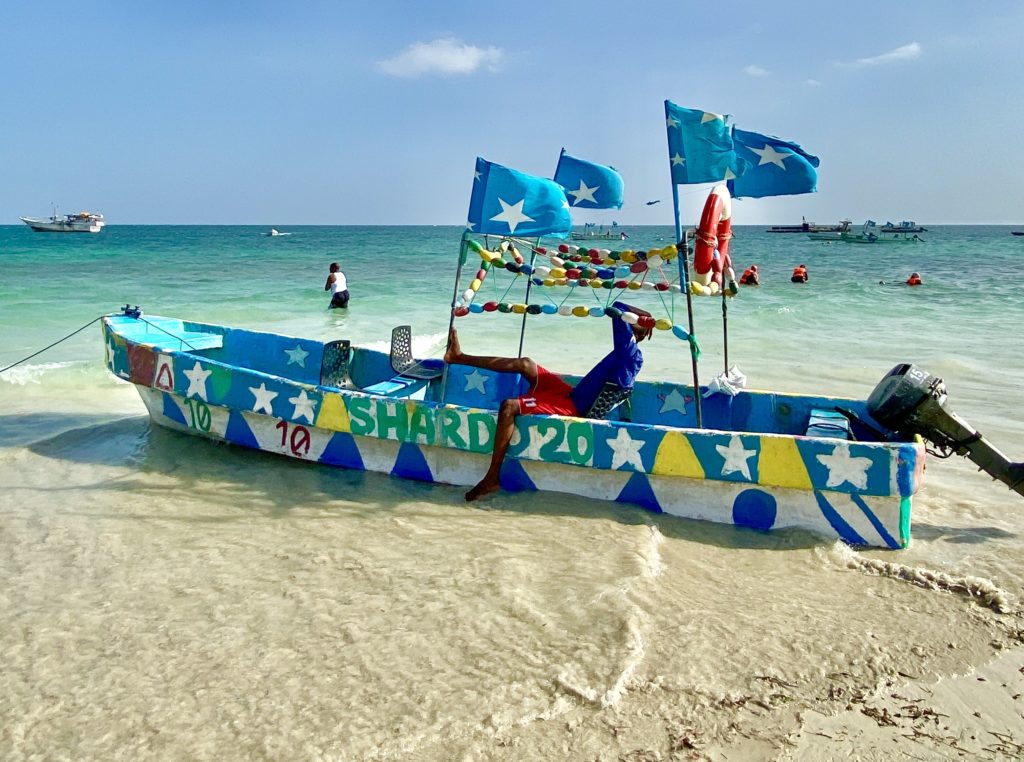
Somalia is one of Africa’s most historically rich and culturally distinctive countries. With the longest coastline on mainland Africa, ancient trading cities, powerful poetry traditions, and deep nomadic heritage, Somalia offers experiences rooted in identity, history, and human connection.
Travel in Somalia requires careful planning and local guidance, but for those who go with respect and preparation, the country reveals a side of Africa few ever see.
Here are the key things to do in Somalia from a cultural and exploratory perspective.
1. Relax on the Beaches of Mogadishu
The capital, Mogadishu, sits directly on the Indian Ocean and is known for its white-sand beaches.
Popular areas include:
- Lido Beach
- Jazeera Beach
Locals gather here for evening walks, tea, and social life. The coastline is one of Somalia’s greatest natural assets.
2. Explore Mogadishu’s Historic Architecture
Despite decades of change, Mogadishu still holds:
- Italian-era buildings
- Old mosques
- Historic districts near the port
These sites reflect Somalia’s past as a major Indian Ocean trading hub connecting Africa, Arabia, and Asia.
3. Discover Laas Geel Cave Paintings
One of the most important archaeological sites in the Horn of Africa is Laas Geel.
Why it’s remarkable:
- Prehistoric rock art dating back thousands of years
- Vivid depictions of cattle and human life
- Exceptionally well-preserved
Laas Geel proves Somalia’s ancient role in early human civilization.
4. Visit Hargeisa (Somaliland)
The city of Hargeisa is the cultural center of Somaliland.
Things to do:
- Visit local markets
- Explore the Cultural Center
- Learn about Somali poetry and literature
- Experience everyday urban Somali life
Hargeisa is known for creativity, debate, and strong cultural identity.
5. Explore the Port City of Berbera
Located on the Gulf of Aden, Berbera is one of Somalia’s oldest coastal cities.
Highlights:
- Ottoman and colonial architecture
- Historic port area
- Quiet beaches
- Trade history linking Africa and the Middle East
Berbera reflects Somalia’s long maritime tradition.
6. Experience Somali Culture & Poetry
Somalia is often called the “Nation of Poets.”
Cultural experiences include:
- Listening to traditional poetry
- Storytelling gatherings
- Music and oral history
- Tea culture and social conversation
Somali culture values language, honor, and expression.
7. Travel Along the Somali Coastline
Somalia has over 3,000 km of coastline, much of it untouched.
Coastal experiences may include:
- Fishing communities
- Indian Ocean views
- Quiet, undeveloped beaches
- Traditional dhow boats
The coast is central to Somali identity and livelihood.
8. Learn About Nomadic Traditions
A large part of Somali identity comes from nomadic pastoral life.
With local guides, visitors can learn about:
- Camel herding
- Seasonal migration
- Traditional shelters and food
- Survival knowledge in arid lands
This way of life has shaped Somali resilience for centuries.
9. Taste Somali Cuisine
Somali food reflects African, Arab, and Indian influences.
Common dishes include:
- Bariis (spiced rice)
- Suqaar (meat sauté)
- Canjeero (flatbread)
- Camel milk and spiced tea
Meals are communal and deeply social.
Important Travel Notes
Somalia is not a mainstream tourism destination. Travel requires:
- Up-to-date local advice
- Trusted local partners
- Awareness of regional differences
- Respect for customs and laws
Many visitors focus on cultural, academic, business, or diaspora-related travel rather than leisure tourism.
