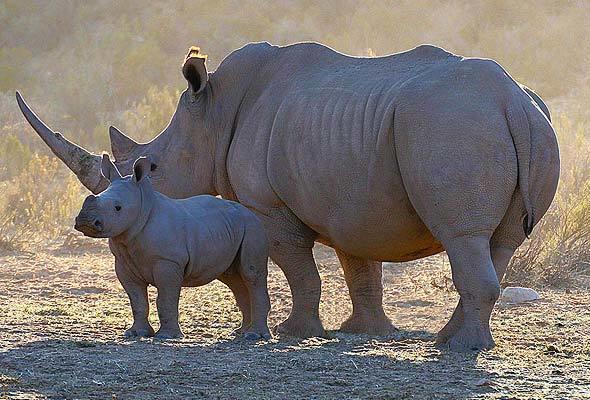
Africa is home to some of the most important wildlife areas in the world. National parks across the continent protect ecosystems that support a wide range of animals, from large predators to rare species. Choosing the right park can define the entire safari experience.
What Makes a Great National Park
A strong national park offers high wildlife density, diverse ecosystems, and good management.
Accessibility, size, and the presence of experienced guides also play an important role. Some parks are known for specific animals, while others offer a wider variety of species.
Serengeti National Park (Tanzania)
The Serengeti is one of the most famous wildlife destinations in the world.
It is known for its open plains and the Great Migration, where millions of wildebeest and zebras move across the landscape. The park offers consistent opportunities to see predators such as lions and cheetahs.
Maasai Mara National Reserve (Kenya)
The Maasai Mara is connected to the Serengeti ecosystem.
It is known for its high concentration of wildlife and is one of the best places to see big cats. The reserve is also a key location for the migration during certain times of the year.
Kruger National Park (South Africa)
Kruger is one of the largest and most accessible national parks in Africa.
It offers a wide range of wildlife, including the Big Five. The park is known for its infrastructure, making it suitable for both guided and self-drive safaris.
Ngorongoro Conservation Area (Tanzania)
The Ngorongoro Crater is a unique ecosystem.
It is a natural enclosure that supports a high density of animals within a relatively small area. This increases the chances of seeing multiple species in a short time.
Okavango Delta (Botswana)
The Okavango Delta is different from traditional parks.
It is a seasonal wetland that creates a rich habitat for wildlife. Safaris here often include boat or canoe experiences in addition to game drives.
Etosha National Park (Namibia)
Etosha is known for its salt pans and waterholes.
During the dry season, animals gather around water sources, making them easier to observe. The park offers a mix of wildlife and unique landscapes.
Hwange National Park (Zimbabwe)
Hwange is one of Africa’s largest parks.
It is particularly known for its large elephant population. The park offers strong wildlife viewing with fewer crowds compared to more popular destinations.
South Luangwa National Park (Zambia)
South Luangwa is known for its walking safaris.
Visitors can explore the park on foot with trained guides, creating a more immersive experience. The park also has a strong population of leopards.
Bwindi Impenetrable National Park (Uganda)
Bwindi is famous for gorilla trekking.
It offers one of the few opportunities in the world to see mountain gorillas in their natural habitat. The experience is highly controlled and limited.
Volcanoes National Park (Rwanda)
Volcanoes National Park is another major destination for gorilla trekking.
It offers organized and well-managed experiences, with strong conservation efforts in place.
Choosing the Right Park
The best national park depends on what you want to see.
For large wildlife and open landscapes, Serengeti and Maasai Mara are strong options. For accessibility, Kruger stands out. For unique ecosystems, the Okavango Delta offers something different.
Travelers interested in rare wildlife experiences may choose Bwindi or Volcanoes National Park for gorilla trekking.
Planning a Visit
Planning a visit to a national park involves choosing the right season, booking accommodation, and arranging transport.
Guided safaris are common, but some parks allow independent travel. Understanding park rules and conditions helps create a smoother experience.
Africa’s national parks offer some of the most powerful wildlife experiences in the world. Each park has its own character, making it possible to choose a destination that matches your interests and expectations.
