Managing money while traveling in Africa requires some preparation. Different countries use different currencies, and payment systems vary depending on location. Understanding how money works across the continent helps avoid problems during your trip.
Local Currencies
Each African country has its own currency.
For example, Kenya uses the Kenyan Shilling, Tanzania uses the Tanzanian Shilling, and South Africa uses the Rand. Some countries in West and Central Africa use the CFA Franc.
It is important to know the local currency of the country you are visiting before arrival.
Cash Is Still Important
Cash is widely used across Africa.
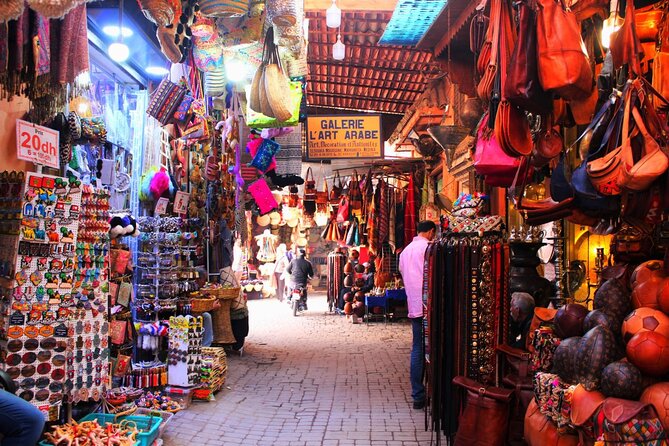
Even in countries with developed banking systems, smaller towns, markets, and local services often require cash payments. Carrying enough local currency for daily expenses is essential.
However, it is not advisable to carry large amounts of cash at once.
Using Credit and Debit Cards
Cards are accepted in many hotels, restaurants, and businesses in major cities and tourist areas.
Visa and Mastercard are the most commonly accepted. American Express is less widely used.
In rural areas, card payments may not be available, so cash remains necessary.
ATMs and Withdrawals
ATMs are available in most cities and towns.
They are a convenient way to withdraw local currency using international cards. It is recommended to use ATMs located in secure areas such as banks or shopping centers.
Inform your bank before traveling to avoid card blocks.
Currency Exchange
Currency exchange services are available at airports, banks, and exchange offices.
Exchange rates can vary, so it is useful to compare options. Avoid informal exchanges on the street, as they carry a risk of fraud.
Exchanging a small amount on arrival and using ATMs later is often a practical approach.
Mobile Money and Digital Payments
Mobile money is widely used in some African countries.
Services such as mobile wallets allow people to send and receive money easily. While these systems are popular locally, they may not always be accessible to international travelers.
Digital payments are growing but are not yet universal.
Tipping Culture
Tipping is common in many parts of Africa.
In restaurants, a small percentage of the bill is usually appreciated if service is good. Guides, drivers, and hotel staff may also expect tips, especially in tourism-related services.
It is useful to carry small denominations for tipping.
Budgeting Daily Expenses
Daily expenses depend on travel style and destination.
Budget travelers rely more on cash and local services. Mid-range and luxury travelers use a mix of cash and card payments.
Planning daily spending in advance helps manage your budget effectively.
Safety Tips for Handling Money
Keeping money safe is important.
Use a money belt or secure bag to carry cash and cards. Avoid displaying large amounts of money in public.
Divide your cash into different places so that you do not lose everything at once.
Preparing Before You Travel
Before traveling, check your bank’s international usage policies.
Ensure your cards are enabled for international transactions. Carry a backup payment method in case one card does not work.
Having a small amount of widely accepted currency such as US dollars can also be useful in some situations.
Managing Money with Confidence
Handling money in Africa becomes easier with preparation.
Understanding local systems, carrying the right mix of cash and cards, and following basic safety practices ensures smooth transactions during your trip.
With the right approach, managing money will not be a problem, allowing you to focus on enjoying your travel experience.
