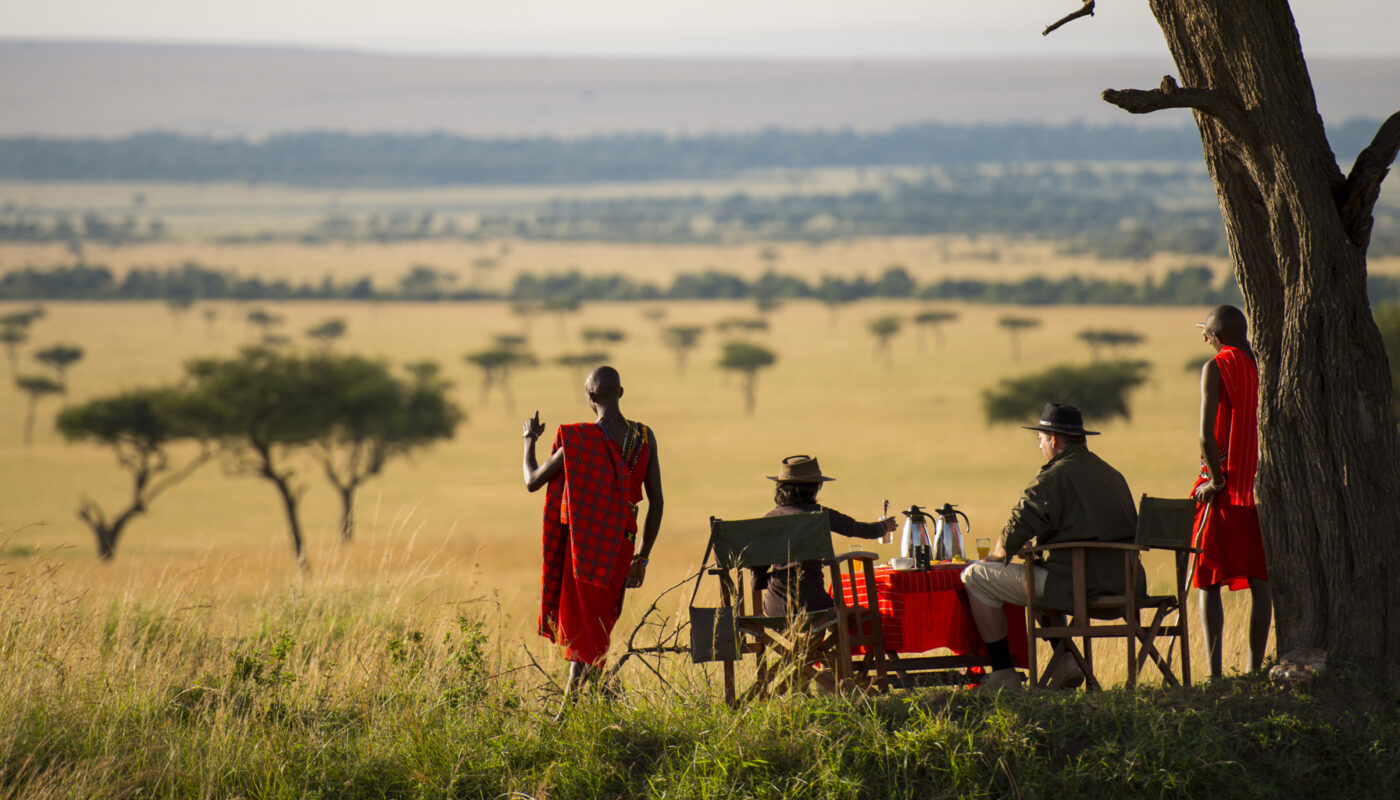
Traveling to Africa for the first time can feel unfamiliar, especially because the continent is large and diverse. Good preparation makes the experience smoother and more enjoyable.
These practical tips help first-time visitors understand what to expect and how to plan.
Choose the Right Destination
Africa is not one single experience.
Each country offers something different. Some are better for safaris, others for culture, beaches, or city travel. First-time visitors often choose countries with established tourism infrastructure such as Kenya, Tanzania, South Africa, or Morocco.
Choosing the right destination reduces complications and improves the overall experience.
Plan Your Itinerary Carefully
Distances in Africa can be large.
Traveling between destinations often takes more time than expected. It is better to focus on fewer places and spend more time in each location rather than trying to cover too much.
A simple and well-planned itinerary helps avoid unnecessary stress.
Understand Visa Requirements
Visa rules vary depending on nationality and destination.
Some countries offer visa-free entry, while others require eVisas or applications in advance. Checking requirements early helps avoid delays or denied entry.
Keeping printed copies of documents is also recommended.
Health and Vaccinations
Health preparation is important.
Some countries require vaccinations, such as yellow fever, depending on where you are traveling from. Malaria prevention may also be recommended in certain regions.
Travel insurance is strongly advised for medical coverage and emergencies.
Pack Appropriately
Packing depends on the destination and activities.
For safaris, neutral-colored clothing is recommended. Comfortable shoes are important for walking and exploring. Lightweight clothing works well in warm climates, while some regions may require warmer layers in the evenings.
It is also useful to carry basic items such as sunscreen, insect repellent, and any necessary medication.
Use Trusted Transport Options
Transport systems vary between countries.
In many destinations, using trusted taxis, hotel transfers, or organized tours is safer and more reliable than random transport options.
For long distances, domestic flights may save time, even if they cost more.
Respect Local Culture
Africa is culturally diverse.
Each country has its own customs, traditions, and social norms. Dressing appropriately, especially in more conservative areas, is important.
Learning a few basic local phrases can also improve interactions with people.
Manage Money Properly
Cash is still widely used in many parts of Africa.
It is important to carry local currency for daily expenses. Credit cards are accepted in major cities and tourist areas but may not be usable everywhere.
Using official exchange services and avoiding informal transactions helps prevent problems.
Stay Connected
Internet access varies depending on location.
In cities, connectivity is usually good. In remote areas, especially on safari, internet access may be limited.
Buying a local SIM card is often the easiest way to stay connected during your trip.
Be Flexible
Travel in Africa may not always follow strict schedules.
Delays, weather conditions, or logistical changes can happen. Being flexible helps manage expectations and reduces frustration.
Focus on the Experience
Traveling in Africa is about more than logistics.
The continent offers unique landscapes, wildlife, and cultural experiences. Taking time to appreciate these moments creates a more meaningful trip.
For first-time visitors, preparation and the right mindset make a significant difference. With proper planning, Africa becomes one of the most rewarding travel destinations in the world.
