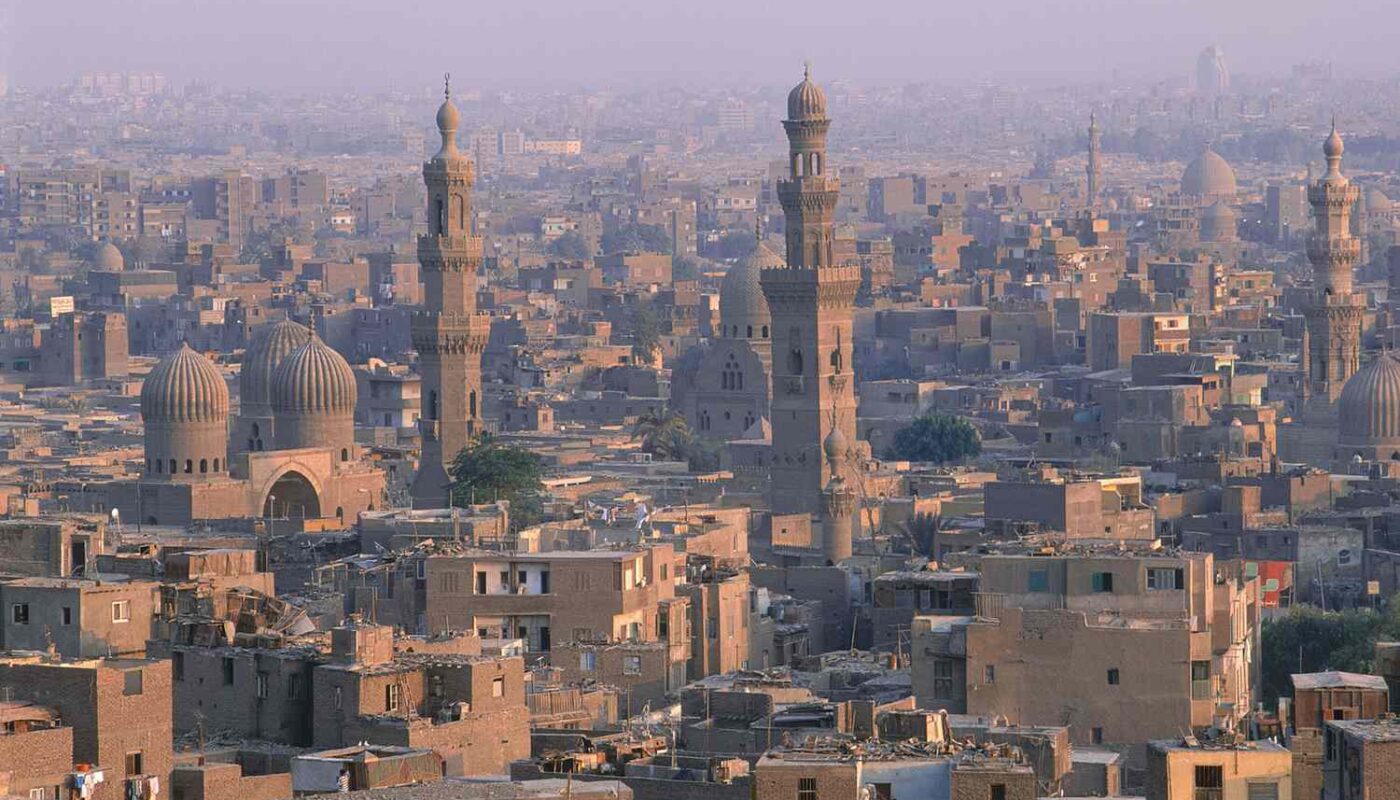
Egypt is one of the most extraordinary travel destinations in the world. Known for its ancient pyramids, historic temples, powerful pharaohs, and the legendary Nile River, the country offers travelers a unique journey through thousands of years of civilization.
For travelers planning their first visit, a 7 to 10 day Egypt itinerary allows enough time to explore the country’s most iconic landmarks, including Cairo, Luxor, Aswan, and the famous monuments along the Nile Valley.
This itinerary highlights the best way to experience Egypt’s ancient wonders, cultural landmarks, and unforgettable landscapes.
Day 1: Arrival in Cairo
Your journey begins in Cairo, Egypt’s bustling capital and the gateway to the country’s ancient history.
After arriving at Cairo International Airport, check into your hotel and take time to relax before exploring the city.
Popular activities for the first day include:
- Walking along the Nile River promenade
- Visiting local restaurants to try Egyptian cuisine
- Enjoying views of the Cairo skyline
Cairo offers an exciting introduction to Egypt’s culture and history.
Day 2: Explore the Pyramids of Giza
The Pyramids of Giza are the highlight of any trip to Egypt and one of the most famous landmarks in the world.
Located just outside Cairo, these ancient monuments were built over 4,500 years ago.
During your visit, you can explore:
- The Great Pyramid of Khufu
- The Pyramid of Khafre
- The Pyramid of Menkaure
- The Great Sphinx of Giza
Visitors can also enjoy panoramic views of the desert plateau surrounding the pyramids.
Day 3: Egyptian Museum and Khan el-Khalili Bazaar
Spend your third day exploring Cairo’s cultural and historic attractions.
Start at the Egyptian Museum, which houses thousands of ancient artifacts, including the treasures of King Tutankhamun.
Later, visit the famous Khan el-Khalili Bazaar, one of the oldest markets in the Middle East.
Here you can:
- Shop for traditional crafts and souvenirs
- Experience the lively market atmosphere
- Enjoy Egyptian tea at historic cafés
This day offers a deeper look into Egypt’s history and daily life.
Day 4: Travel to Luxor
On day four, travel south to Luxor, one of Egypt’s most important archaeological cities.
Luxor sits along the Nile River and is home to some of the most impressive monuments of ancient Egypt.
In the evening, visit Luxor Temple, which is beautifully illuminated at night.
Luxor provides travelers with an extraordinary opportunity to explore ancient Egyptian civilization.
Day 5: Valley of the Kings and Karnak Temple
Luxor is often called the world’s greatest open-air museum because of its incredible historical sites.
Important places to visit include:
- The Valley of the Kings, where many Egyptian pharaohs were buried
- The Temple of Hatshepsut, dedicated to Egypt’s powerful female ruler
- The Karnak Temple Complex, one of the largest religious structures ever built
These sites reveal the grandeur and artistic achievements of ancient Egyptian architecture.
Day 6: Begin a Nile River Cruise
One of the most memorable ways to explore Egypt is by taking a Nile River cruise.
Cruises typically travel between Luxor and Aswan, stopping at several important temples along the way.
During the cruise, travelers can enjoy:
- Scenic views of the Nile Valley
- Visits to historical sites
- Comfortable accommodations on board
A Nile cruise provides both relaxation and cultural exploration.
Day 7: Visit Temples Along the Nile
As the cruise continues toward Aswan, travelers can visit several ancient temples.
Popular stops may include:
- Edfu Temple, dedicated to the god Horus
- Kom Ombo Temple, known for its unique double temple design
These temples offer fascinating insights into ancient Egyptian religion and architecture.
Day 8: Explore Aswan
Aswan is one of Egypt’s most beautiful cities, known for its scenic Nile views and peaceful atmosphere.
Top attractions in Aswan include:
- Philae Temple, dedicated to the goddess Isis
- Boat trips around Nile islands
- Visits to traditional Nubian villages
Aswan offers a relaxing contrast to the busy streets of Cairo.
Day 9: Visit Abu Simbel
One of the most impressive monuments in Egypt is the Abu Simbel Temples, located near the Sudanese border.
Built by Pharaoh Ramses II, these temples feature massive statues carved directly into rock cliffs.
The temples were relocated during the construction of the Aswan High Dam to protect them from flooding.
Visiting Abu Simbel is often considered one of the most unforgettable experiences in Egypt.
Day 10: Return to Cairo and Departure
On the final day of your Egypt itinerary, return to Cairo for your departure.
Depending on your flight schedule, you may have time for:
- Last-minute shopping
- Visiting additional museums
- Exploring Cairo’s historic neighborhoods
Your journey through Egypt concludes with unforgettable memories of one of the world’s greatest ancient civilizations.
