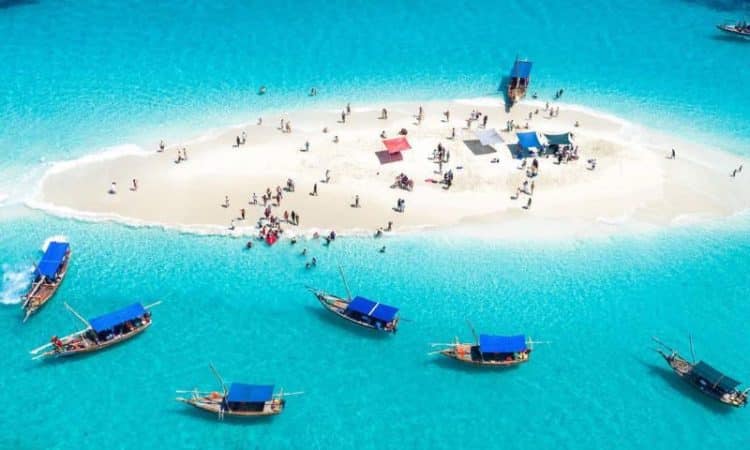
Planning your first trip to Africa can feel exciting, overwhelming, and inspiring all at once. Africa is not just one destination—it is a vast continent with 54 countries, thousands of cultures, incredible wildlife, and landscapes ranging from deserts to rainforests and tropical beaches.
If you are planning your first African adventure, understanding how to organize your trip properly will help you enjoy a smooth and unforgettable experience. This guide explains how to plan a trip to Africa for the first time, including choosing destinations, visas, safety, budgets, and travel tips.
1. Choose the Right African Destination
Africa offers many different travel experiences. Your first step should be deciding what type of trip you want.
Some travelers come to Africa for wildlife safaris, others for beaches, culture, mountains, or city experiences.
Popular first-time destinations include:
- Kenya – famous for safari parks and the Great Migration
- Tanzania – home to Mount Kilimanjaro and Serengeti safaris
- South Africa – modern cities, wine regions, and wildlife
- Morocco – desert landscapes and historic cities
- Rwanda – gorilla trekking and mountain forests
- Burundi – authentic cultural travel, lakes, and traditional experiences
When planning your trip, it helps to select one or two countries, especially if you are visiting Africa for the first time.
Traveling across too many countries can make your itinerary complicated.
2. Decide the Best Time to Visit Africa
Africa is a large continent with different climates depending on the region.
Generally, the dry season is considered the best time to travel, especially for safaris because animals gather around water sources.
Typical travel seasons include:
- June to October – best wildlife viewing in East and Southern Africa
- December to March – good for beach destinations and city travel
- April to May – rainy season in some regions but fewer tourists
Before booking flights, always check the weather patterns of the specific country you plan to visit.
3. Check Visa Requirements
Most travelers will need a visa before entering many African countries. Some countries offer visa on arrival, while others require applying online or through an embassy.
Common visa types include:
- Tourist visa
- E-Visa (online visa)
- Visa on arrival
You should check:
- Passport validity (usually 6 months required)
- Visa requirements
- Entry rules
- Vaccination requirements
Many countries also require proof of yellow fever vaccination, especially if you are traveling between African nations.
4. Plan Your Travel Budget
Africa offers travel options for every type of traveler, from budget backpackers to luxury safari guests.
Your budget should consider:
- International flights
- Accommodation
- Transport inside the country
- Tours and park fees
- Food and drinks
- Travel insurance
Typical travel styles include:
Budget travel
- Guesthouses
- Local transport
- Simple tours
Mid-range travel
- Comfortable hotels
- Guided tours
- Private transfers
Luxury travel
- Safari lodges
- Private guides
- Premium experiences
National park fees and safari tours can sometimes be the largest cost of an African trip, so plan your budget carefully.
5. Create a Realistic Travel Itinerary
Many first-time travelers make the mistake of planning too many destinations in a short time.
Africa is large, and travel between parks, cities, and countries can take time.
A good first itinerary should include:
- Arrival day to relax
- 2–3 key destinations
- Time for cultural experiences
- Nature or wildlife activities
- A final day for departure
For example, a simple itinerary might look like:
Day 1 – Arrival in the main city
Day 2 – City tour and local culture
Day 3 – National park or safari
Day 4 – Nature experience or village visit
Day 5 – Departure
This allows you to enjoy the destination without rushing.
6. Book Tours with Local Tour Operators
Booking with a local African tour operator can make your trip much easier.
Local operators help with:
- Airport transfers
- Accommodation bookings
- Safari guides
- Cultural experiences
- Transportation between cities
They also provide local knowledge and safety support, which is very valuable for first-time travelers.
Local companies often offer custom itineraries based on your interests and budget.
7. Understand Transportation in Africa
Transportation varies across African countries.
Common transport options include:
- Domestic flights
- Private car with driver
- Tour vehicles
- Buses and minibuses
- Boat transport in lake or coastal regions
For travelers visiting national parks or remote destinations, private transportation with a guide is usually the most comfortable option.
8. Prepare for Health and Travel Safety
Before traveling to Africa, it is recommended to prepare for health and safety.
Important preparations include:
- Yellow fever vaccination
- Malaria prevention medication (depending on region)
- Travel insurance
- Basic medical kit
It is also recommended to:
- Drink bottled water
- Follow guidance from local guides
- Avoid traveling alone at night in unfamiliar areas
Most African tourist destinations are safe when travelers follow normal travel precautions.
9. Pack the Right Travel Gear
Packing properly will make your trip much easier.
Important items include:
- Lightweight clothing
- Comfortable walking shoes
- Sun protection
- Power adapters
- Camera or binoculars for wildlife viewing
If you are planning safari trips, neutral colored clothing (brown, green, beige) is often recommended.
10. Respect Local Culture and Traditions
Africa is home to thousands of ethnic groups and traditions.
Travelers should respect local customs, including:
- Asking permission before taking photos of people
- Dressing modestly in some areas
- Learning a few local greetings
Showing cultural respect creates better travel experiences and meaningful interactions with local communities.
