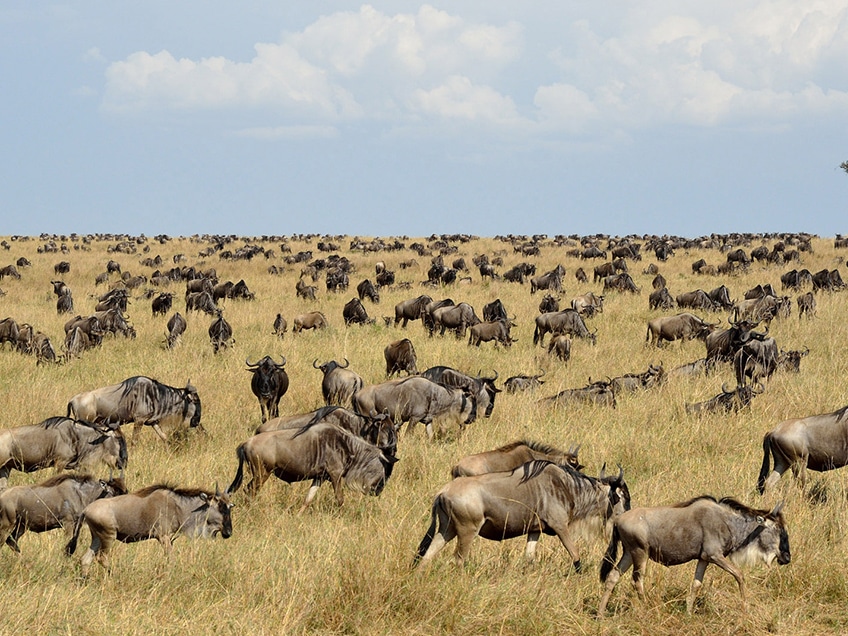
Planning a trip to Africa requires more attention than planning a trip to a single-country destination. The continent is large, diverse, and each country has its own systems, requirements, and travel conditions. Breaking the process into clear steps makes it easier to plan a smooth and successful trip.
Step 1: Choose Your Destination
Africa offers different types of experiences, so the first step is deciding what kind of trip you want.
If your focus is wildlife and safaris, countries like Kenya, Tanzania, Botswana, and South Africa are strong options. For culture and history, Morocco and Egypt provide some of the richest experiences. For beaches and relaxation, destinations such as Zanzibar, Seychelles, and Mauritius are among the best.
Trying to visit too many countries in one trip can make the experience rushed. It is better to focus on one or two destinations and explore them properly.
Step 2: Set Your Budget
Africa can be both affordable and expensive depending on your travel style.
Budget travelers can use local transport and basic accommodation. Mid-range travelers often combine hotels with guided tours. Luxury travel in Africa usually involves high-end lodges, private transport, and personalized services.
Safaris are typically the most expensive part of the trip due to park fees, guides, and accommodation. Setting a clear budget early helps avoid unexpected costs.
Step 3: Plan Your Travel Dates
Timing plays an important role in Africa travel.
For safaris, the dry season is usually the best because animals gather around water sources, making them easier to see. For North Africa, cooler months are more comfortable for exploring cities and historical sites. Beach destinations are generally good year-round but can have seasonal variations.
Choosing the right time improves both comfort and overall experience.
Step 4: Book Flights and Entry Points
Flights to Africa are available from major international hubs. Common entry cities include Nairobi, Johannesburg, Cairo, and Casablanca.
Booking flights early can help reduce costs. It is also important to check the most convenient entry point based on your destination to avoid unnecessary travel within the country.
Step 5: Check Visa and Entry Requirements
Each country in Africa has its own visa rules.
Some countries offer visa on arrival or eVisa options, while others require applications before travel. Passport validity, return tickets, and proof of accommodation may also be required.
Checking these details in advance avoids problems at the airport or border.
Step 6: Build a Realistic Itinerary
Distances in Africa can be long, and travel times are often underestimated.
A good itinerary focuses on a few key locations rather than trying to cover too much. For example, combining a safari with a beach destination works well, but adding too many stops can reduce the quality of the experience.
Allowing time to rest between activities also makes the trip more enjoyable.
Step 7: Choose Accommodation and Services
Accommodation options range from budget guesthouses to luxury lodges.
For first-time travelers, booking through a tour operator or using organized packages can simplify the process. These packages often include accommodation, transport, meals, and guided activities.
Independent travelers can book hotels and arrange transport separately, but this requires more planning.
Step 8: Prepare Documents and Essentials
Before traveling, make sure all important documents are ready.
This includes your passport, visa if required, travel insurance, and booking confirmations. Some countries may require vaccinations or health checks depending on current regulations.
Packing should match the destination. Light clothing, comfortable shoes, and practical travel items are usually sufficient.
Step 9: Understand Local Transport
Getting around in Africa depends on the country.
Flights are commonly used for long distances. In cities, taxis and ride services are widely available. For safaris and remote areas, private drivers or guided tours are the most reliable option.
In some countries, self-driving is possible, but it requires confidence and planning.
Step 10: Stay Flexible During the Trip
Africa does not always follow strict schedules. Delays, changes, or unexpected situations can happen.
Staying flexible and adjusting plans when needed is part of the experience. Many travelers find that these moments become some of the most memorable parts of their trip.
Planning a trip to Africa is about balancing structure and flexibility. With the right preparation, the journey becomes easier, and the experience becomes much more rewarding.
&media=https://africathingstodo.com/blog/wp-content/uploads/2026/03/5-days-tour-in-tanzania.jpg)