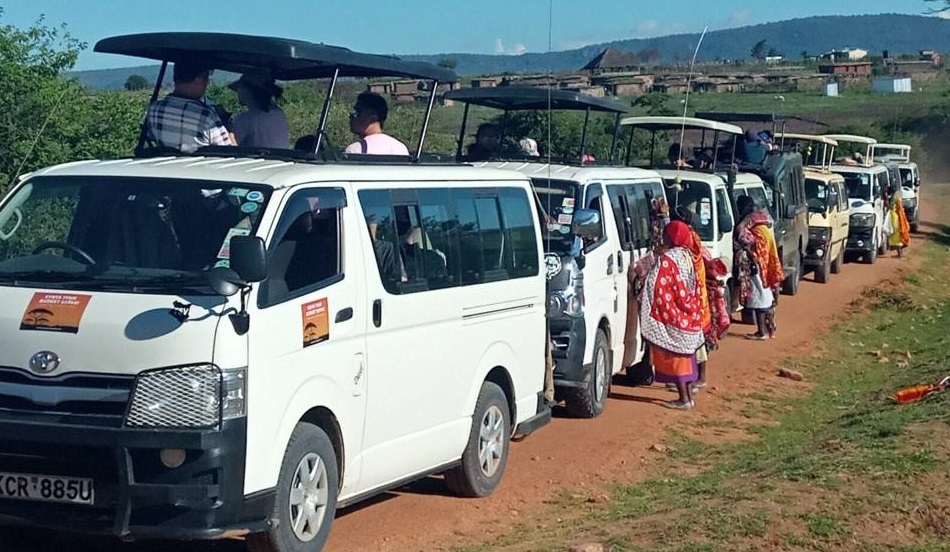
Traveling across Africa on a budget is possible with the right strategy. While some experiences like safaris can be expensive, many parts of the continent allow travelers to keep costs low without missing out on the experience.
The key is understanding where to save and where to spend.
Choose the Right Countries
Not all African countries have the same cost level.
North African countries like Morocco and Egypt are generally more affordable. In East Africa, Uganda is often cheaper than Kenya or Tanzania. West Africa also offers budget-friendly options, though travel may require more planning.
Choosing destinations carefully is the first step in managing costs.
Use Local Transport
Transport can quickly increase travel expenses if not planned properly.
Instead of private transfers or domestic flights, budget travelers use buses, minibuses, and shared taxis. These options take more time but are significantly cheaper.
In cities, using local taxis or ride services instead of private drivers helps reduce daily costs.
Choose Budget Accommodation
Accommodation is one of the biggest daily expenses.
Guesthouses, hostels, and small local hotels are widely available in many countries. Staying outside major tourist zones can also lower prices.
Booking in advance or negotiating directly with local providers can sometimes lead to better rates.
Eat Local Food
Food is an area where travelers can save money easily.
Local restaurants and street food are much cheaper than international restaurants or hotel dining. In most African countries, local meals are both affordable and filling.
Eating where locals eat is often the most cost-effective option.
Limit Expensive Activities
Certain activities can significantly increase your budget.
Safaris, gorilla trekking, and luxury tours are the main high-cost experiences. Budget travelers often choose fewer high-cost activities and balance them with free or low-cost experiences such as city tours, markets, and cultural visits.
Planning which activities are worth the cost helps manage overall spending.
Travel Slowly
Moving frequently between destinations increases transport costs.
Staying longer in one place reduces expenses and allows for better negotiation on accommodation. It also provides a deeper experience of each destination.
Traveling slowly is one of the most effective ways to stay within budget.
Travel During the Low Season
Prices in Africa change depending on the season.
High season brings higher prices for accommodation, flights, and tours. Traveling during the low or shoulder season can significantly reduce costs.
While weather conditions may vary, many destinations are still enjoyable outside peak periods.
Book Directly with Local Providers
Booking through multiple intermediaries can increase prices.
Working directly with local tour operators, hotels, or guides often leads to better deals. It also ensures that more of the money stays within the local economy.
Direct communication can also allow for more flexible arrangements.
Share Costs with Other Travelers
Group travel helps reduce expenses.
Sharing transport, guides, and accommodation lowers the cost per person. Group safaris and tours are often much cheaper than private options.
Travelers can join existing groups or connect with others at hostels or travel hubs.
Be Flexible
Flexibility is important when traveling on a budget.
Prices, schedules, and availability can change, especially in less developed areas. Being open to adjusting plans helps avoid unnecessary costs.
Focus on Value, Not Just Price
Traveling on a budget does not mean choosing the cheapest option in every situation.
Some experiences are worth the cost, while others can be simplified. Balancing spending ensures a better overall experience.
Africa can be explored on a budget with careful planning and smart decisions. The experience remains rich and rewarding, even without high spending.
