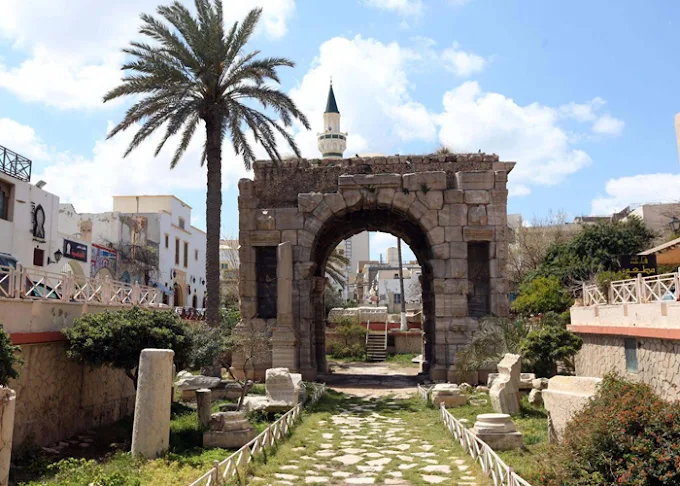
Libya is one of North Africa’s most historically rich yet rarely visited countries. Home to some of the best-preserved Roman ruins in the world, vast Saharan landscapes, and ancient desert towns, Libya offers extraordinary experiences for travelers interested in history, archaeology, and remote exploration.
This is not mass tourism. Libya is for travelers who value depth, patience, and preparation.
1. Explore Leptis Magna – A Roman Masterpiece
Leptis Magna
Leptis Magna is one of the best-preserved Roman cities anywhere in the world.
Why it’s extraordinary:
- Vast forums, basilicas, and arches
- Stunning seaside location
- Minimal restoration—raw and authentic
Walking through Leptis Magna feels like stepping into ancient Rome without the crowds.
2. Visit the Ancient City of Sabratha
Sabratha
Sabratha is famous for its beautifully reconstructed Roman theater overlooking the Mediterranean.
Highlights:
- Three-tiered Roman theater
- Temples and mosaics
- Coastal views
It’s one of Libya’s most photogenic archaeological sites.
3. Discover Ghadames – The Pearl of the Desert
Ghadames
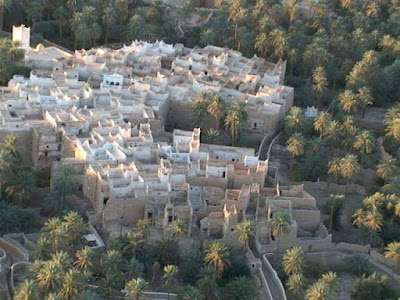
Ghadames is a UNESCO World Heritage Site and one of the best-preserved oasis towns in the Sahara.
Why visit:
- Whitewashed mud-brick architecture
- Covered walkways designed for desert heat
- Deep-rooted Amazigh culture
It’s a powerful example of sustainable desert living.
4. Walk Through Tripoli’s Old City
Tripoli
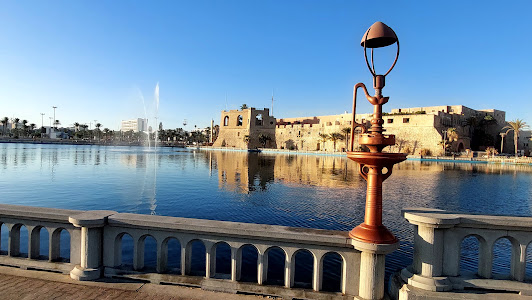
Tripoli’s old medina reflects centuries of Phoenician, Roman, Ottoman, and Arab influence.
Things to explore:
- Narrow medina streets
- Historic mosques
- Markets and artisan shops
- Red Castle (Assaraya al-Hamra)
The old city offers insight into Libya’s layered past.
5. Explore the Sahara Desert
Sahara Desert
Much of Libya lies within the Sahara, offering dramatic desert scenery.
Experiences include:
- Sand dune exploration
- Desert camping
- Star-filled night skies
- Long-distance desert drives
The scale and silence are unforgettable.
6. Discover the Acacus Mountains & Rock Art
Tadrart Acacus
The Acacus Mountains are a UNESCO World Heritage Site known for prehistoric rock art.
Why they matter:
- Thousands of ancient carvings and paintings
- Evidence of early human life in the Sahara
- Dramatic sandstone formations
This is one of Africa’s most important archaeological landscapes.
7. Experience Traditional Libyan Culture
Libyan culture is shaped by Arab, Amazigh, Mediterranean, and Saharan influences.
Cultural experiences include:
- Traditional tea ceremonies
- Local storytelling
- Music and poetry
- Hospitality rooted in respect
Visitors often describe Libyans as quiet but deeply welcoming.
8. Taste Libyan Cuisine
Libyan food is simple, hearty, and flavorful.
Try:
- Bazin (traditional dough-based dish)
- Couscous with lamb or vegetables
- Shorba (spiced soup)
- Dates and mint tea
Meals reflect desert practicality and Mediterranean influence.
9. Travel with Purpose & Patience
Libya is not an easy destination—but it is a rewarding one.
Best for travelers who:
- Love history and archaeology
- Are experienced travelers
- Respect local customs
- Understand logistical planning
Travel here requires permits, guides, and up-to-date local advice.
Is Libya Safe to Visit?
Travel conditions vary by region and over time. Visits should only be arranged with experienced local operators, proper permissions, and current security guidance. Independent travel is not recommended.
Why Visit Libya?
Libya is ideal for:
- Archaeology and history enthusiasts
- Desert explorers
- Photographers
- Travelers seeking places untouched by mass tourism
