A rare, wild, and little-known African destination
Equatorial Guinea is one of Africa’s least-visited countries, making it perfect for travelers looking for authentic, untouched experiences. Located on the Gulf of Guinea, the country combines volcanic islands, dense rainforests, colonial history, and Atlantic beaches—all without mass tourism.
If you’re curious, adventurous, and open to something different, here are the top things to do in Equatorial Guinea.
1. Explore Malabo, the Capital City
Malabo
Malabo sits on the northern coast of Bioko Island and blends Spanish colonial heritage with African culture.
Things to do in Malabo:
- Walk through colonial-era neighborhoods
- Visit government squares and landmarks
- Enjoy ocean views along the coast
- Experience local cafés and street life
Malabo is relaxed, scenic, and unlike most African capitals.
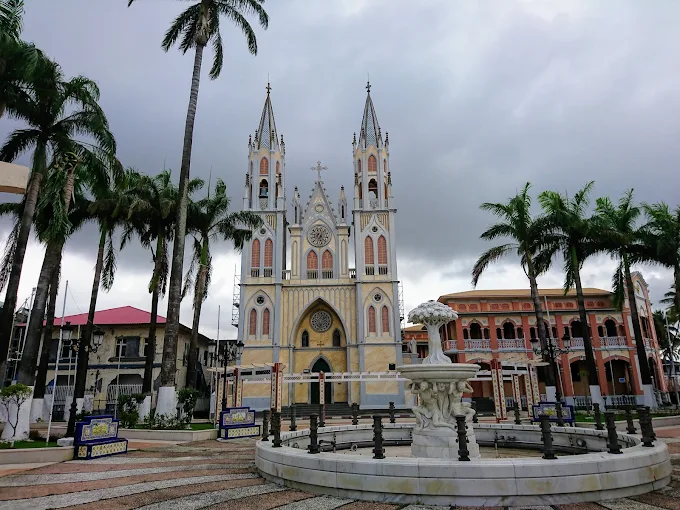
2. Visit Malabo Cathedral
Malabo Cathedral
Also known as the Cathedral of Santa Isabel, this striking structure reflects Equatorial Guinea’s Spanish colonial past.
Why visit:
- Beautiful neo-Gothic architecture
- Central location in Malabo
- Insight into the country’s history and religion
It’s one of the most photographed landmarks in the city.
3. Discover Bioko Island
Bioko Island
Bioko Island is the heart of Equatorial Guinea’s tourism potential—lush, volcanic, and dramatic.
Highlights include:
- Rainforests and waterfalls
- Remote beaches
- Volcanic landscapes
- Small fishing villages
It’s ideal for eco-travelers and nature lovers.
4. Relax at Arena Blanca Beach
Arena Blanca
Arena Blanca is one of the country’s most beautiful beaches, known for its light-colored sand and calm Atlantic waters.
Perfect for:
- Swimming and relaxing
- Beach walks
- Quiet sunsets
- Escaping crowds
Facilities are limited, which keeps the beach peaceful and natural.
5. Explore Monte Alén National Park
Monte Alen National Park
Located on the mainland, Monte Alén is one of Central Africa’s richest rainforests.
Wildlife and activities:
- Forest trekking
- Birdwatching
- Chance to spot gorillas, chimpanzees, forest elephants, and monkeys
Visits should always be arranged with local guides due to remoteness.
6. Visit Ureka and Ureka Falls
Ureka
Ureka is a remote village on Bioko Island, famous for waterfalls that flow directly into the ocean.
Why it’s special:
- Dramatic scenery
- Turtle nesting beaches (seasonal)
- True off-the-beaten-path experience
Access often requires 4×4 vehicles and local knowledge.
7. Experience Local Culture & Music
Equatorial Guinea has a unique blend of Bantu traditions and Spanish influence.
Cultural experiences include:
- Traditional music and dance
- Village visits
- Local festivals
- Everyday life interactions
Spanish is widely spoken, making communication easier for Spanish-speaking travelers.
8. Taste Equatorial Guinean Cuisine
Local food is simple, fresh, and flavorful.
Try:
- Fish and seafood dishes
- Plantains and cassava
- Peanut-based sauces
- Palm wine
Meals are often prepared with local ingredients and traditional methods.


9. Discover the Mainland (Río Muni)
Rio Muni
Río Muni offers dense forests, rivers, and rural landscapes rarely seen by outsiders.
Why visit:
- Raw, untouched nature
- Authentic village life
- Few to no tourists
This region is best for experienced travelers with proper planning.
10. Travel Somewhere Truly Different
Equatorial Guinea is not a typical tourist destination—and that’s exactly the appeal.
Best for travelers who:
- Want uncommon African destinations
- Enjoy nature and isolation
- Prefer cultural depth over luxury crowds
- Travel with local experts
Is Equatorial Guinea Safe to Visit?
Yes, when traveling with licensed local guides and operators. Infrastructure is limited in some areas, so planning and permits are important.
Why Visit Equatorial Guinea?
Equatorial Guinea is ideal for:
- Adventure travelers
- Explorers and photographers
- Nature lovers
- People who want to say: “I’ve been somewhere different.”
